

Why Child Care Isn’t in the Midterm Ads
Campaigns spent $5.7 billion on midterm ads. Child care isn’t in either party’s top ten issues. Here’s what it costs families, and why it keeps losing.
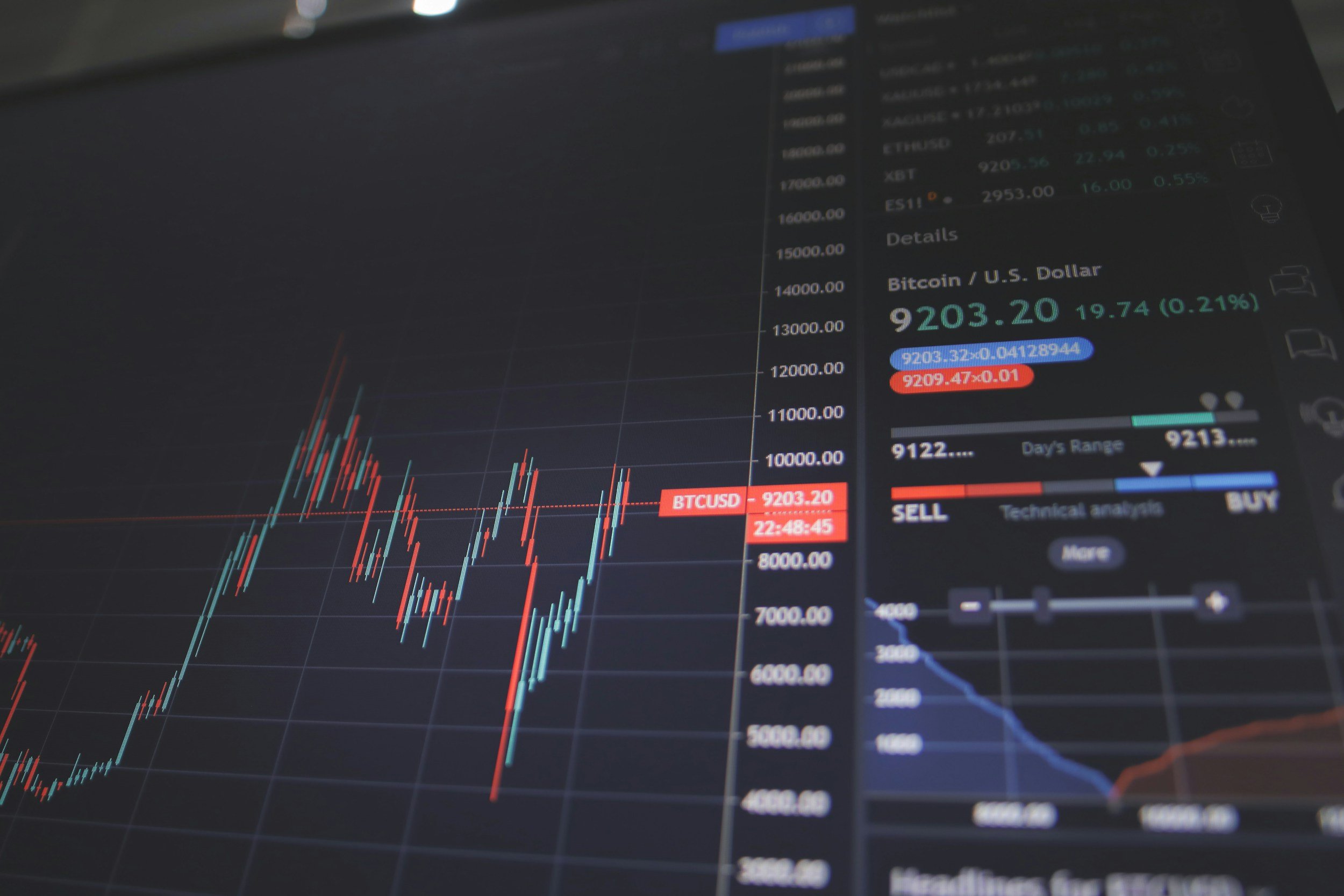
Why the Stock Market Went Up on a Bad Jobs Report
The Tradeoff is the economics and policy podcast for professionals. The economy added 29,000 jobs in September and the Nasdaq hit a record. Here's why the stock market isn't the economy, and why the bond market now sends the bill.
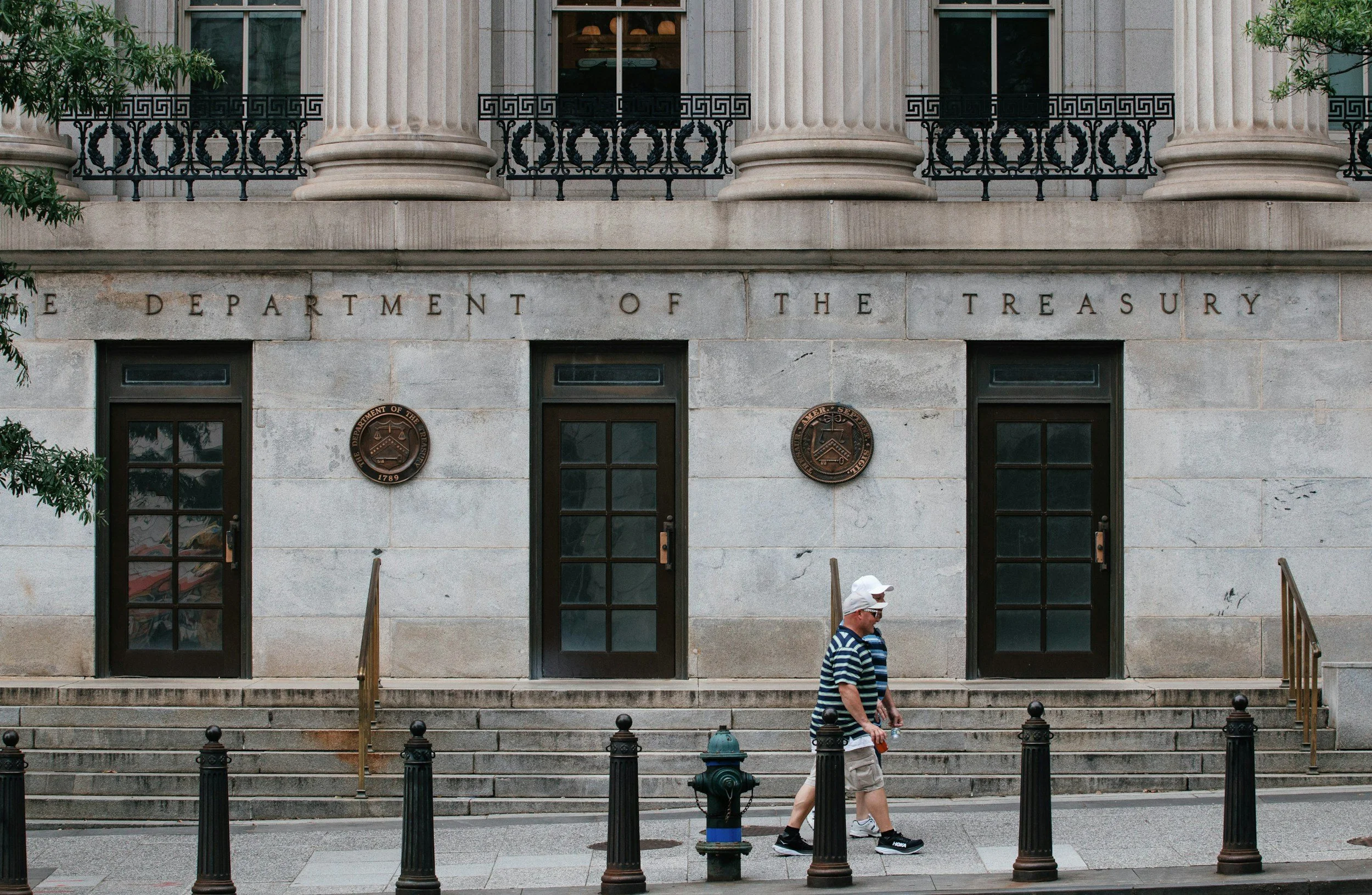
Treasury Yields Explained: Why the 10-Year Hitting 5% Raises Your Mortgage Rate
The Tradeoff is the economics and policy podcast for professionals. The 10-year Treasury just hit its highest level since 2007 and mortgages crossed 7%. Here’s what treasury yields mean, why they set your borrowing costs, and who pays when they rise.
The $6 Trillion Nobody Counts: What the AI Doom Debate Is Costing Working Families
The GAO just priced unpaid household labor at close to $6 trillion. If that work is valued at zero, any AI gain from automating it is zero too. Who pays for the AI panic.

Warsh Called Inflation a Choice. The Quiet Fed Is the Real Story.
Kevin Warsh's first FOMC meeting as Fed chair: he called inflation a choice, dropped forward guidance, and denied the dual-mandate tradeoff. What the quieter Fed costs you.

The Summer Economy Is on a July 4th Collision Course
The Tradeoff is the economics and policy podcast for professionals. The summer economy looks strong, here's why the next three weeks decide whether it holds. Strong May jobs, the hottest inflation read since 2023, and an oil shock barreling toward the July 4th driving holiday. Mattie Duppler runs through jobs, trade, inflation, and growth, why the good numbers are narrower than they look, and the workforce trend nobody in Washington is fixing. No economics degree required.


Two Questions That Will Change How You Read the News
The two questions I ask of every economic headline: who does this actually affect, and why now? Plus where the framework came from, from the House floor to Amazon's PR FAQ.


The Gig Economy Optimized Everything. It Forgot This: The $7.6 trillion asset Silicon Valley never unlocked.
The gig economy unlocked your car, your spare room, and your backyard pool. It never asked the same question about the most productive underutilized asset in the American economy. Women's labor contributes $7.6 trillion to US GDP annually — more than Japan's entire economy. The IMF calls the failure to deploy it a "misallocation of resources." A 2025 Minneapolis Fed paper found that rising female labor force participation built the Great Moderation, the longest period of economic stability in modern American history. Then 2025 arrived: 212,000 women left the workforce in seven months, return-to-office mandates spread, and childcare costs hit 20% of the average family's income. This week on The Tradeoff, Mattie Duppler makes the case that this isn't a women's issue — it's a capital allocation problem as wasteful as a car sitting in a driveway, and as solvable as the taxi cab cartels that used to govern transportation in every American city.


Introducing THE TRADEOFF: Why Headlines Shouldn’t Feel Like a Closed Door
Introducing The Tradeoff: Why Headlines Shouldn’t Feel Like a Closed Door